
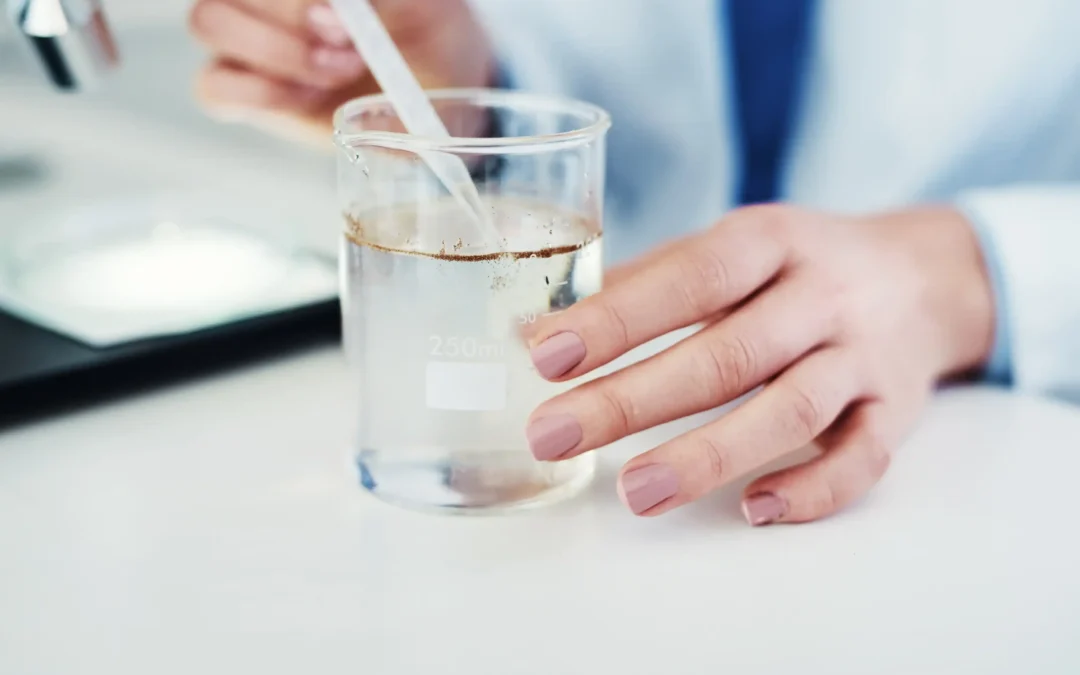
What’s in Your Water
Here’s a question most homeowners don’t ask nearly enough: “Is my home’s water actually safe to drink?”
You turn on the tap, fill a glass, and never think twice. But, whether you rely on municipal water or a private well, hidden contaminants can silently infiltrate your water supply and affect your health, plumbing, and even your home’s resale value.
This blog highlights the benefits of water testing, especially during or before a home inspection, to help you safeguard your home and family.
What is Water Testing for Homeowners
Water testing involves sending a sample of your home’s water, typically from the kitchen or bathroom tap, to a laboratory that analyzes it for contaminants, pH balance, mineral levels, and bacteria.
There are different tests for:
- Bacteria (e.g., coliform, E. coli).
- Lead and heavy metals.
- Nitrates and nitrites.
- Hardness/mineral levels.
- Chlorine levels (for city water).
You can buy DIY test kits from a hardware store, but for accuracy and credibility (especially during home sales), professional lab testing is the gold standard.
The Health Risks of Contaminated Water
Contaminated water isn’t just gross; it can be dangerous.
- High nitrates can cause “blue baby syndrome” in infants.
- Lead exposure is linked to developmental and neurological issues.
- Bacterial contamination can lead to gastrointestinal illnesses.
- Long-term exposure to arsenic has been linked to cancer.
Even low levels of contaminants can have a silent impact on your health over time.
Quick Tip: If you or your family have experienced recurring stomach issues or skin irritation and you can’t pinpoint the cause, it might be time to test your water.
Common Water Contaminants Found in Homes
You might be surprised by what water tests often reveal, even in modern homes:
- Lead: Still found in older pipes and solder.
- Iron and manganese: Harmless but can stain fixtures and laundry.
- Coliform bacteria: A sign your well may be compromised.
- Sulfur: Causes that “rotten egg” smell in the well water.
Real Example
We once inspected a lovely farmhouse in New Hampshire. The water appeared and smelled fine, but the test revealed the presence of coliform bacteria, likely originating from an old, cracked well cap. A simple fix saved the sale and protected the new buyer’s health.
Benefits of Water Testing
Wondering if water testing is really necessary? Here’s what regular testing can do for you:
Protect Your Family’s Health
Contaminants like lead, bacteria, or nitrates often go unnoticed, but can cause serious health problems, especially for kids and babies. A simple test can give you peace of mind and help prevent long-term issues.
Save Your Plumbing and Appliances
Hard water or high mineral levels can damage pipes, water heaters, and dishwashers over time. Testing helps you catch problems early and avoid expensive repairs or replacements.
Avoid Costly Surprises
Stains, odors, or sediment may seem like minor annoyances, but they can indicate more significant issues. Water testing helps you address problems before they become pricey headaches.
Boost Your Home’s Value
Thinking of selling? Clean water test results are a significant advantage for buyers, particularly for homes with private wells. It demonstrates your responsibility as a homeowner and fosters trust during the sale.
Choose the Right Filter
Not all filters fix the same problems. Testing your water tells you exactly what you need, so you don’t waste money on the wrong system.
Signs You May Need to Test Your Water
Even if everything looks and tastes fine, these red flags are worth checking for:
- You use private well water.
- You notice staining in sinks or tubs.
- Your water smells like eggs or metal.
- You live near farmland or industrial areas.
- Your plumbing is older (pre-1986 may have lead solder).
- You’re pregnant or have small children.
Water quality can change seasonally or following major storms, floods, or construction projects.
Well Water Testing is a Must
If your home has a private well, yearly testing is non-negotiable.
Wells are unregulated by municipal water standards. You’re responsible for your own safety, and contamination can creep in without warning. Even a simple cracked cap or nearby landscaping change can allow bacteria to enter.
Pro Tip: Always test a home’s well before buying, and include the water quality results in your due diligence.
Water Testing as Part of a Home Inspection
Here’s where many buyers and sellers miss a huge opportunity: adding water testing to a home inspection.
Whether you’re selling your home or buying one, water quality results:
- Help buyers feel confident.
- Provide documentation to lenders (many require it for FHA/VA loans).
- Can prevent deals from falling through if addressed early.
- Reveal if filtration or treatment systems are needed.
How Often Should You Test Your Water
- Private wells: At least once a year.
- City water: Every 2–3 years, or if you notice changes.
- Before buying/selling: Always
- After floods or construction nearby: Immediately
Also, test anyone in your home who develops sudden, unexplained illness.
What Happens If Your Water Test Fails
If your water test shows contaminants, don’t panic. Solutions range from simple filters to professional treatment systems. Common options include:
- Carbon filters for taste and odor.
- Reverse osmosis systems for lead or arsenic.
- UV purification for bacteria.
- Water softeners for minerals.
A certified inspector can recommend the system that best suits your needs and budget.
Final Thoughts
Clean water isn’t something you want to “hope for.” It’s something you verify.
Whether you’re living in your forever home, putting it on the market, or preparing to buy, regular water testing provides peace of mind and protects what matters most: your health, your home, and your future.
Don’t wait for strange smells or failed home inspections to check your water. At Norway Hill Home Inspections, we offer professional water testing as part of our comprehensive home inspection services.
Serving New Hampshire and surrounding areas, our certified team helps homeowners and buyers feel confident in every faucet, filter, and fixture.
Schedule your home inspection and water testing here or call us today to learn more about what’s in your water, and what to do about it.