
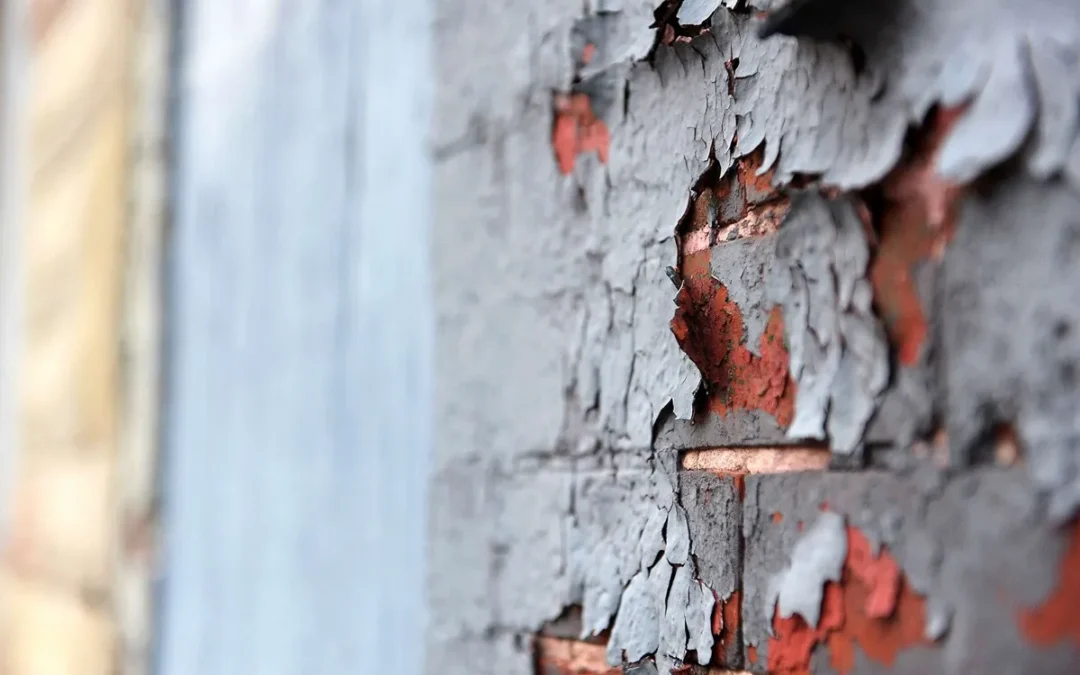
Older homes have a charm that new builds can’t quite match, original wood floors, antique fixtures, and details that tell a story. But behind that character, there can be hidden risks.
One of the most serious is lead, often found in old paint, pipes, or even the soil around the property. You can’t see it or smell it, yet exposure can cause serious health problems, especially for children.
That’s why lead inspections aren’t optional for older homes. They help uncover hazards you might never notice until it’s too late.
We’ll discuss why lead is still a concern today, what an inspection involves, and how testing can protect your family and your investment.
What is it about Older Homes that makes them Risky
If your house was built before 1978, there is a high chance that it has lead-based paint. According to the EPA, nearly 38 million housing units, or 40% of all the houses in America, contain lead-based paint. These were built before it was banned in 1978 due to health concerns.
To take it down further:
- In older homes (those constructed prior to 1940), there is a 87% chance of lead paint.
- Approximately 24% of homes built between 1960 and 1978 still contain lead-based paint.
- That’s a lot of homes, millions, in fact, so it’s clear why lead inspections for older homes should be on your to-do list.
Why Lead is a Major Concern
Lead is particularly dangerous to children and expectant mothers. Children are always tempted to rub their hands against painted surfaces and lick, suck, or chew them. This means that elements such as windowsills or stair rails can be hazardous sources of lead paint because they are covered in it.
Low doses of lead may damage the brain and affect cognitive growth and learning behaviors.
Real Stories: A Homeowner’s Discovery
A Reddit user reported that he purchased a house built in 1904 in New England and wisely hired a professional to inspect the property thoroughly. The XRF gun carried by the inspector detected lead in the crown molding and a closet in the hall; however, since these locations were inaccessible to small children, there was no point in attempting to clean them. That is the reason why the buyer went ahead with the purchase.
This real-life example demonstrates how lead inspections for older homes enable informed decisions rather than impulsive ones.
What does a Lead Inspection Entail
When you schedule lead inspections for older homes, here’s what a certified professional does:
- They use equipment such as the XRF scanners to test surfaces.
- They will swab dust or a paint chip when necessary.
- They are observant of whether the paint is in good or bad condition.
- They evaluate its riskiness, particularly in areas likely to have lots of traffic or places that can be chewed.
- They recommend actions to take based on the findings.
In Case Lead is Discovered
Discovering lead is not the end of the world: it is a good start.
- If the lead paint is inaccessible, you may only need to continue checking it.
- In areas where it is chipping or in high-traffic zones, professionals can stabilize or safely encapsulate it.
- In more serious hazards, a certified abatement would be required.
Another step? Examine the ground at your residence. A recent GeoHealth report showed that nearly a quarter of all households in the USA have lead concentrations in the soil above the new EPA safety standards.
Quick Tips for Homeowners
- Know how old your home is. Assess its risks and have a lead inspection if it was dated prior to 1978.
- Hire a certified lead inspector or risk assessor, not a DIY kit.
- Maintain painted surfaces in a good state. Fractures and cracks produce dust. Cleaning on a regular basis will be beneficial.
- Carefully plan any renovations. Lead-based paints can release lead when disturbed; therefore, use lead-safe certified contractors.
Numbers That Drive the Point Home
|
Fact |
Insight |
|
38 million U.S. homes have lead paint |
That’s nearly 40 percent of housing units. |
|
12 million children under age 7 live in homes with lead paint |
Reality check: this touches more families than we expect. |
|
Millions of dollars in societal benefits per dollar spent |
Investing in lead hazard control can return between $17 and $221 in health and societal savings for every dollar spent |
Conclusion
Lead inspections for older homes aren’t optional; they’re essential. They help identify risks you are unaware of in the walls, dust, and soil. They protect your family and provide you with the assurance you need, whether you are purchasing, remodeling, or merely residing in a vintage house. It is impossible to refute its value; real-life data and stories support it.
Trust Norway Hill Home Inspections for expert, friendly, and thorough lead inspections. Our expertise, clear reports, and recommendations will leave no doubt that your house is not only visually appealing but also safe.
Contact Norway Hill Home Inspections today, because your home needs your attention and that of a knowledgeable inspector.