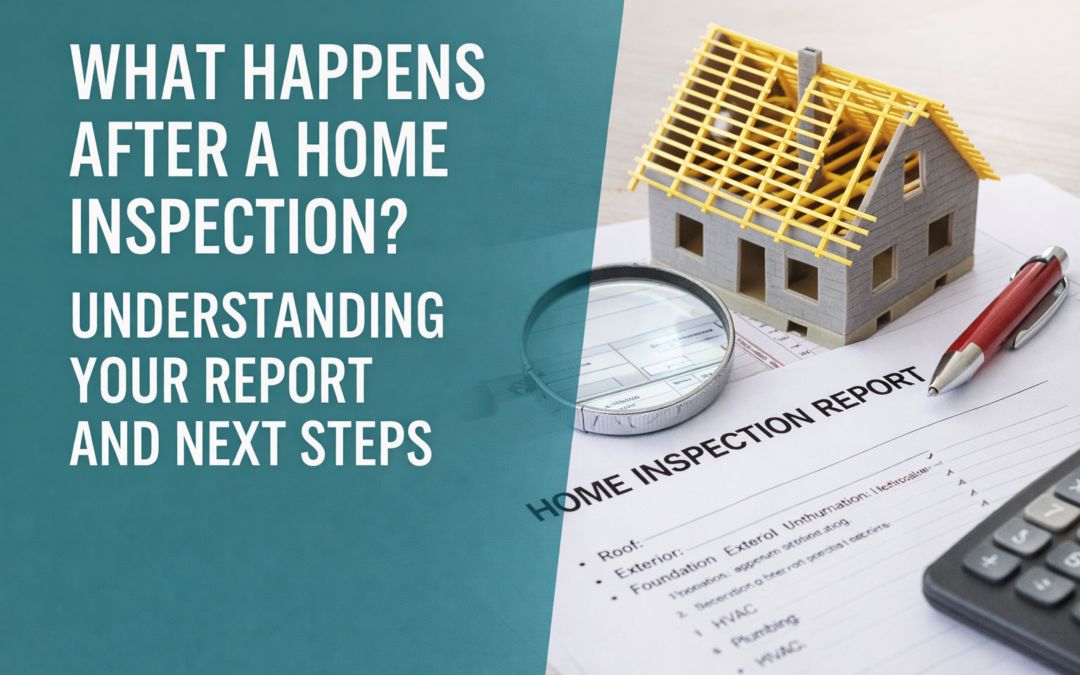
Scheduling a home inspection is a major milestone in the buying or selling process—but for many people, what comes after the inspection can feel overwhelming. You receive a detailed report filled with photos, terminology, and recommendations, and suddenly, questions start swirling. Is this serious? Do I need to fix everything? Should I walk away?
If you’re asking yourself these questions, you’re not alone. In fact, “what happens after a home inspection” is one of the most searched and misunderstood parts of the home inspection process. Let’s break it down so you know exactly what to expect—and what actually matters.
What Does a Home Inspection Report Include?
A professional home inspection report is a comprehensive overview of the home’s condition at the time of inspection. It typically includes:
-
An evaluation of major systems such as roofing, structure, electrical, plumbing, HVAC, and insulation
-
Photos documenting findings
-
Descriptions of defects, safety concerns, and maintenance items
-
Recommendations for further evaluation or repairs
A common misconception is that the report is a “pass or fail” document. It isn’t. Instead, it’s an educational tool designed to help buyers and sellers understand the property’s current condition.
This is where having a home inspection report explained clearly by your inspector makes all the difference.
Defects vs. Maintenance: How to Prioritize Findings
Not every item in your report carries the same weight. One of the most important next steps after a home inspection is learning how to prioritize findings.
Typically, findings fall into three categories:
-
Major Defects or Safety Issues
These include structural concerns, active leaks, electrical hazards, heating failures, or significant roof problems. These items often deserve immediate attention. -
Moderate Issues
These may not be urgent but could require repair or monitoring, such as aging systems nearing the end of their lifespan. -
Maintenance Items
These are normal homeowner responsibilities like caulking, minor wear and tear, or routine servicing. They’re helpful to know about but rarely deal-breakers.
Understanding this distinction is key to reducing inspection anxiety and making confident decisions.
What Buyers Should Negotiate vs. Accept
For buyers, the inspection report often opens the door to negotiation—but that doesn’t mean everything should be renegotiated.
Items commonly negotiated:
-
Safety hazards
-
Code concerns
-
Major system failures
-
Expensive, unexpected defects
Items buyers usually accept:
-
Cosmetic flaws
-
Normal wear and tear
-
Minor maintenance tasks
Your real estate agent can help guide negotiations, but your inspector plays a crucial role by explaining which issues truly impact safety, function, and long-term costs. This clarity helps buyers focus on what matters  most.
most.
How Sellers Can Use Inspection Reports Proactively
Sellers can also benefit greatly from the inspection process—especially with a pre-listing inspection.
By understanding potential issues upfront, sellers can:
-
Address concerns before listing
-
Avoid surprises during buyer negotiations
-
Price the home more accurately
-
Build trust with buyers through transparency
A well-understood inspection report can lead to smoother transactions and fewer last-minute hurdles.
How Inspectors Communicate Findings Clearly
At Norway Hill Home Inspections, we believe a report is only as good as the explanation that comes with it. Our goal isn’t to overwhelm—it’s to inform.
We take the time to:
-
Answer buyer home inspection questions
-
Walk clients through key findings
-
Explain what’s urgent versus informational
-
Provide context so reports are easy to understand
This approach empowers buyers and sellers to move forward confidently instead of feeling uncertain or stressed.
Your Next Step: Understanding, Not Guessing
A home inspection is meant to protect you—not scare you. When you understand your report and your options, you can make informed decisions with confidence.
At Norway Hill Home Inspections, we walk you through your report so you understand exactly what matters and what doesn’t. Whether you’re buying your first home or preparing to sell, we’re here to guide you through every step of the process.
Contact Norway Hill Home Inspections today to schedule your inspection or ask questions about your report.