
It’s Friday, March 20, 2026. If you’ve been house hunting in New Hampshire or Vermont lately, you know exactly what the "2026 Squeeze" feels like. Inventory is still tight, prices haven't exactly plummeted, and the pressure to move fast is higher than ever.
I’m Kurtis Grassett, and at Norway Hill Home Inspection Services, I’ve seen it all. I’ve seen buyers get so caught up in the excitement of a wrap-around porch in Brattleboro or a mountain view in Concord that they overlook the literal cracks in the foundation.
The fear of buying a "money pit" is real. It’s that knot in your stomach when you realize the "charming rustic basement" is actually a breeding ground for expensive structural issues. But here is the good news: you don't have to be a construction expert to protect your wallet. You just need the right strategy and a partner who has your back.
The High Stakes of the 2026 Market
The market in the Twin States has changed. A few years ago, you might have had a week to think about an offer. Now, you’re lucky if you get 24 hours. This speed creates a dangerous environment where red flags get ignored.
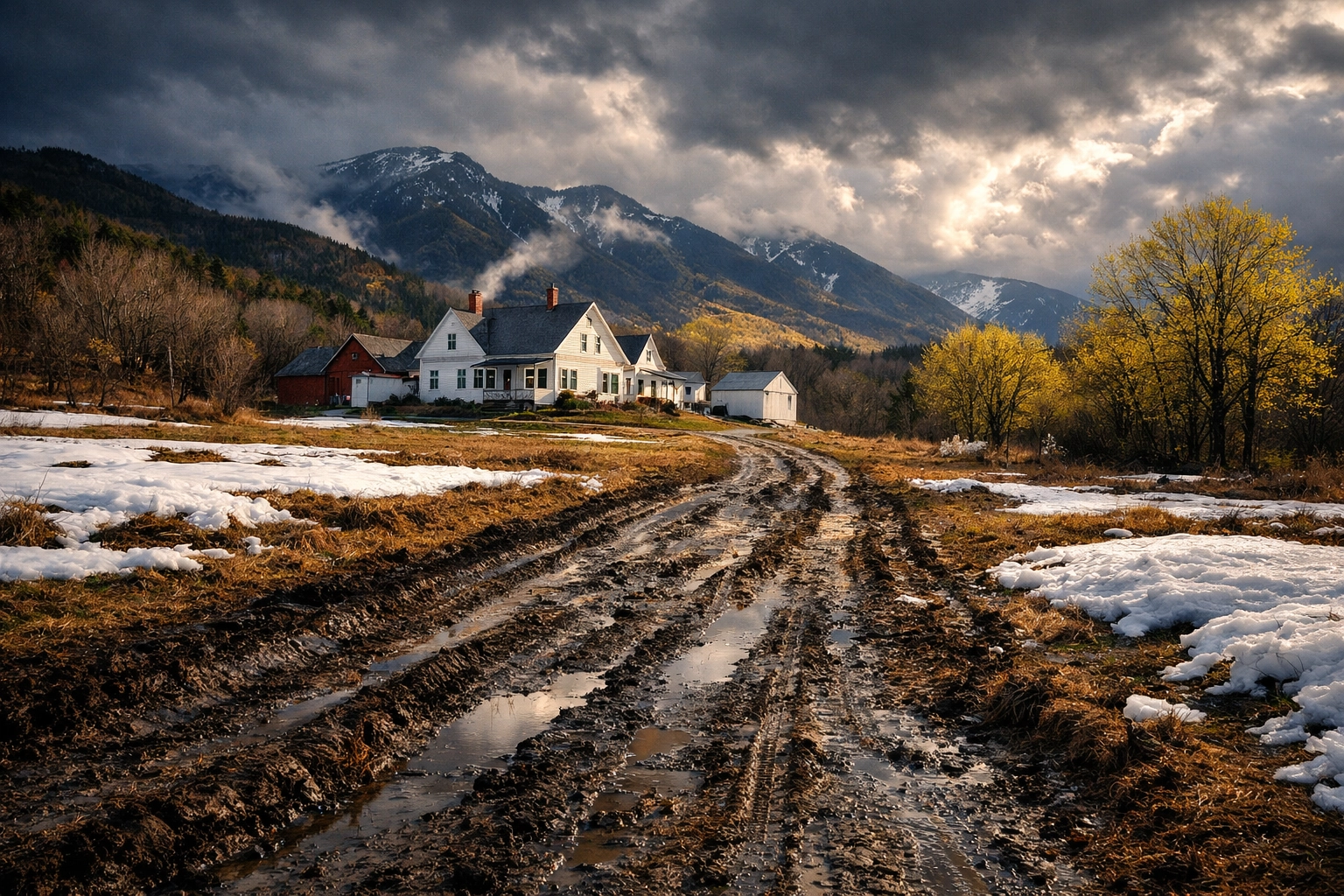
In Vermont and New Hampshire, our homes face unique challenges. We deal with extreme freeze-thaw cycles, granite-rich soil that off-gasses radon, and aging septic systems that were never designed for modern water usage. When you combine these regional quirks with a fast-paced market, the risk of buying a money pit skyrockets.
Regional Red Flags: What We’re Seeing Right Now
Before we talk about how to protect yourself, let’s look at the "Big Three" money pits we’re seeing in NH and VT this year:
1. The Foundation "Flinch"
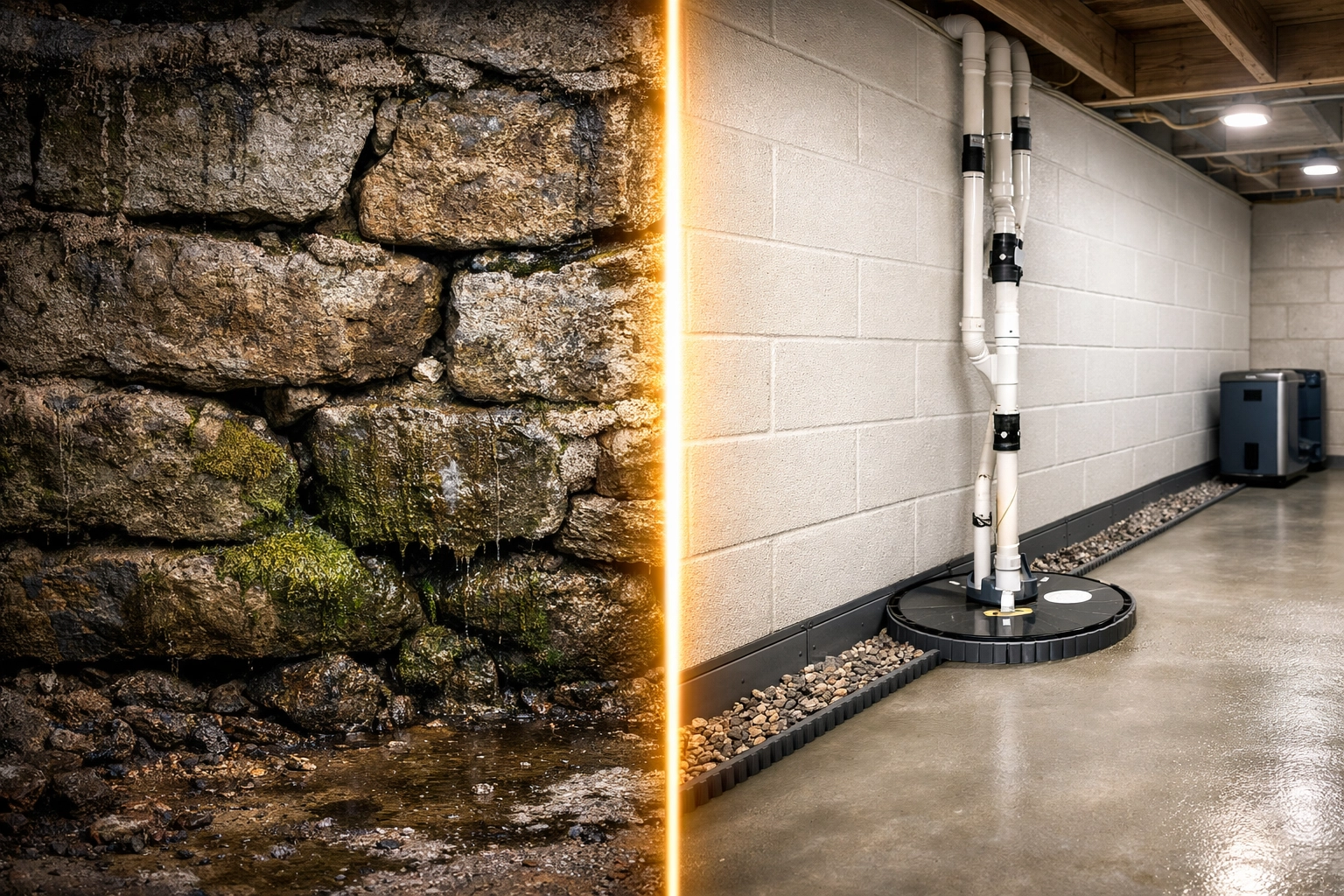
New England is famous for its fieldstone foundations. While they’ve stood for a hundred years, they aren't invincible. We look for shifting stones, significant bowing in more modern poured concrete, and signs of chronic water intrusion. A foundation repair isn't just a weekend DIY project; it’s a five-figure nightmare that can sink your investment.
2. The Septic Shadow
If you’re looking at a home outside of the major hubs like Manchester or Burlington, you’re likely looking at a septic system. These are "out of sight, out of mind" until they fail. A failed leach field can cost upwards of $20,000 to $40,000 to replace depending on the soil.
3. The "Invisible" Danger: Radon and Water Quality
In our neck of the woods, the very ground we stand on: that beautiful granite: can be a source of radon gas. Similarly, private wells in NH and VT can contain arsenic, uranium, or PFOAs. You can’t see them, smell them, or taste them, but they are deal-breakers for your health and your home's value.
Strategy #1: The Power of Guaranteed Confidence
Most home inspection companies will give you a report and a "good luck." At Norway Hill, we think that’s a raw deal. If you’re paying for a professional opinion, you should be able to take that opinion to the bank.
That’s why we lead with Guaranteed Confidence. Our 200% Satisfaction Guarantee is the strongest in the region. Here’s how it works: If you attend your inspection and aren’t completely satisfied with the quality of our work, we’ll not only refund your inspection fee, but we’ll also pay for another licensed inspector of your choice to do the job.
Why do we do this? Because we know that in 2026, you can't afford a "maybe." You need to know that your home inspection in NH or VT is backed by a firm that has actual skin in the game. We aren't just looking for cracks; we’re protecting your future.

Strategy #2: Your Personal Repair Roadmap
The biggest problem with a standard home inspection is the "Scary PDF." You get a 50-page document full of red text and technical jargon, and you’re left wondering, “Does this mean I shouldn't buy the house?”
We do things differently. Every inspection we perform comes with a Free Repair Roadmap.
Instead of just listing problems, we provide a plan. We categorize issues into "Safety Concerns," "Budget Items," and "Maintenance for Later." This turns a list of terrifying "defects" into a manageable to-do list. It’s the ultimate tool for negotiations. When you go back to the seller, you aren't just complaining; you’re presenting a professional roadmap of what it takes to make the home safe.
Strategy #3: The Ultimate Home Inspection Checklist
If you’re still in the "just looking" phase, you can start vetting houses yourself. We’ve put together a comprehensive home inspection checklist that you can use during your first walkthrough.
Here are a few quick "Money Pit" indicators to watch for:
- Musty Smells: If the basement smells like a wet dog, there’s a moisture issue. Period.
- Spongy Floors: Walk near the tubs and toilets. If the floor feels soft, you’re looking at long-term water damage and potential rot.
- Stained Ceilings: Don't let a seller tell you "that was from an old leak that was fixed." Unless they have a receipt for the repair, assume it’s an active issue.
- Old Electrical Panels: If you see a Federal Pacific or Zinsco panel, you’re likely looking at a full electrical upgrade for insurance purposes.

Don't Waive Your Protection
In a competitive market, you might be tempted to waive your inspection to make your offer "cleaner." Don't do it.
If the seller is pressuring you to skip the inspection, ask yourself: What are they hiding? If you absolutely must skip the contingency to win the bid, schedule a post-sale home inspection the day you get the keys. You still need to know what you’re living in so you can prioritize repairs before they turn into disasters.
The Three Steps to a Stress-Free Move
Buying a home in Vermont or New Hampshire should be one of the best moments of your life, not the start of a financial downward spiral. We’ve simplified the process into three easy steps:
- Schedule Your Inspection: Use our easy online booking to find a time that fits your tight closing window.
- Get the Roadmap: We’ll walk through the home together, and you’ll receive a clear, actionable Repair Roadmap that explains exactly what the house needs.
- Rest Easy: With our 200% Guarantee, you can move forward knowing that your investment is protected by the best in the business.

Why Norway Hill?
There are plenty of inspectors out there. Some are cheaper. Some have been around forever. But none of them offer the combination of local NH/VT expertise, the Repair Roadmap, and the 200% Satisfaction Guarantee.
We don't just work in these communities; we live here. We know the difference between a minor foundation settling and a major structural failure. We know how the local water tables affect your basement. We are your protective advocates in a market that doesn't always have your best interests at heart.
If you’re ready to stop worrying about money pits and start looking forward to your new home, let’s talk. Why a home inspection matters more now than ever is simple: it’s the only thing standing between you and a very expensive mistake.
Ready to get started?
Check out our Home Buyer Inspections page for more details, or contact us today to get on the schedule. Let's make sure your New England dream home stays a dream, not a nightmare.
Frequently Asked Questions (AEO Section)
What is a “money pit” home?
A “money pit” home is a house with hidden or underestimated defects that lead to ongoing, expensive repairs after you buy.
Common examples in NH/VT include foundation water issues, failing roofs, unsafe electrical, old heating systems, and failing septic components.
Is a septic inspection required in New Hampshire?
No. New Hampshire does not generally require a septic inspection for every home sale statewide.
But if the home uses a septic system, a septic evaluation is often strongly recommended (and sometimes required by a lender or town conditions) because a failure can mean a $20,000–$40,000+ surprise.
How much does a home inspection cost in VT and NH in 2026?
In 2026, most home inspections in Vermont and New Hampshire typically fall in the mid-hundreds to low-thousands, depending on:
- Home size and age
- Location and travel
- Add-ons (radon testing, water testing, septic evaluations)
For a fast, accurate quote, the best move is to schedule or request pricing based on the address and square footage.
What are common home inspection red flags in New England?
The biggest “money pit” red flags we see in NH and VT include:
- Basement moisture (standing water, chronic dampness, heavy efflorescence)
- Foundation movement (significant cracking, bowing walls, shifting fieldstone)
- Roofing at end-of-life (curling shingles, active leaks, bad flashing)
- Old/unsafe electrical (Federal Pacific or Zinsco panels, amateur wiring)
- Heating system risks (very old boilers/furnaces, unsafe venting, rusted flues)
- Attic ventilation and insulation problems (mold risk, ice dam history)
- Septic concerns (unknown age, soggy leach field area, slow drains, odors)
- Well water quality unknowns (no recent test, staining, corrosion, known regional contaminants)
Does Norway Hill offer a guarantee?
Yes. Norway Hill Home Inspection Services offers the Norway Hill 200% Satisfaction Guarantee:
If you attend your inspection and aren’t completely satisfied, we’ll refund your inspection fee and pay for another certified inspector of your choice.